The 45-Day Problem No One Talks About Honestly
Here's what most 1031 exchange guides won't tell you: the 45-day identification deadline fails investors not because they can't find a property, but because they start looking too late. Most 1031 exchange buyers contact a broker within the first two weeks after closing their relinquished property. By that point, you've already lost 30% of your window before you've seen a single deal.
The investors who complete clean 1031 exchanges into NNN — with no deadline panic, no settling for a mediocre deal — start the replacement property search 60 to 90 days before their sale closes. That's the playbook.
Step 1: Start Before Your Relinquished Property Closes
The moment you accept an offer on your relinquished property, start the NNN search. You have approximately 30–45 days before close (typical escrow period) to identify candidates, review leases in draft, and get comfortable with specific properties — before your 45-day clock even starts.
This is how experienced exchange buyers arrive at Day 1 with two or three identified properties they're already comfortable with. They aren't scrambling. They're choosing.
Contact The ESS Group with your target equity range, tenant preferences, and geographic flexibility as soon as you accept an offer. We can pull off-market inventory, run cap rate analysis, and complete preliminary lease review during your relinquished property escrow — at no cost to you.
Step 2: Engage a Qualified Intermediary on Day 1
Your qualified intermediary (QI) is the entity that holds your exchange proceeds between sale and purchase. You cannot touch the money — if you do, the exchange is disqualified immediately. Engage your QI before your relinquished property closes so the wire instructions are in place at close.
Your QI will provide an identification form — the formal document you use to identify replacement properties within the 45-day window. Knowing the form requirements ahead of time helps you describe properties accurately and avoid disqualification on a technicality.
Step 3: Know the Three Identification Rules
The IRS allows three methods for identifying replacement properties. Most exchange buyers use the Three-Property Rule:
- Three-Property Rule: Identify up to three properties, regardless of value. This is the most common approach.
- 200% Rule: Identify any number of properties, as long as their combined value doesn't exceed 200% of the relinquished property's sale price.
- 95% Rule: Identify any number of properties of any value, but you must close on at least 95% of the total identified value.
In practice, I recommend identifying three investment-grade NNN properties using the Three-Property Rule. This gives you flexibility if your first choice falls through in due diligence — which happens more often than buyers expect.
Step 4: Use Off-Market Inventory for Deadline Compliance
The publicly listed NNN market on LoopNet and CoStar is real and active — but it has two problems for exchange buyers: (1) the best deals are sold before they reach public listing, and (2) other exchange buyers are competing for the same inventory with the same deadline pressure.
Off-market NNN inventory — sourced through broker networks, developer relationships, and sale-leaseback conversations — gives you access to deals that aren't competed for yet. When your identification deadline is firm, having exclusive or pre-market access to properties is the difference between choosing the right deal and accepting the least-bad option that's still available.
The ESS Group maintains active off-market NNN inventory across Dollar General, McDonald's, Starbucks, Chick-fil-A, CVS, Walgreens, Taco Bell, and other investment-grade tenants. For exchange buyers, we prioritize presentation of current off-market inventory within days of your sale closing.
Step 5: Review the Lease Before You Identify — Not After
Most buyers identify a property first and review the lease during the due diligence period. The problem: by the time you discover a structural lease problem (unexpected landlord obligations, co-tenancy clauses, assignment restrictions), you've burned identification days and may not have time to identify a replacement.
The correct sequence: have your broker obtain the lease before you formally identify. Review it in draft. Understand the obligation structure. Then identify properties you've already pre-screened.
Because Eli's legal background informs his brokerage work, lease review happens before identification — not as a surprise during due diligence. Hidden landlord obligations, roof carve-outs, and unfavorable co-tenancy provisions get caught early, when they can still be addressed.
Which NNN Tenants Are Best for 45-Day Deadline Compliance?
Not all NNN tenants are equally suited for tight identification timelines. The practical ranking:
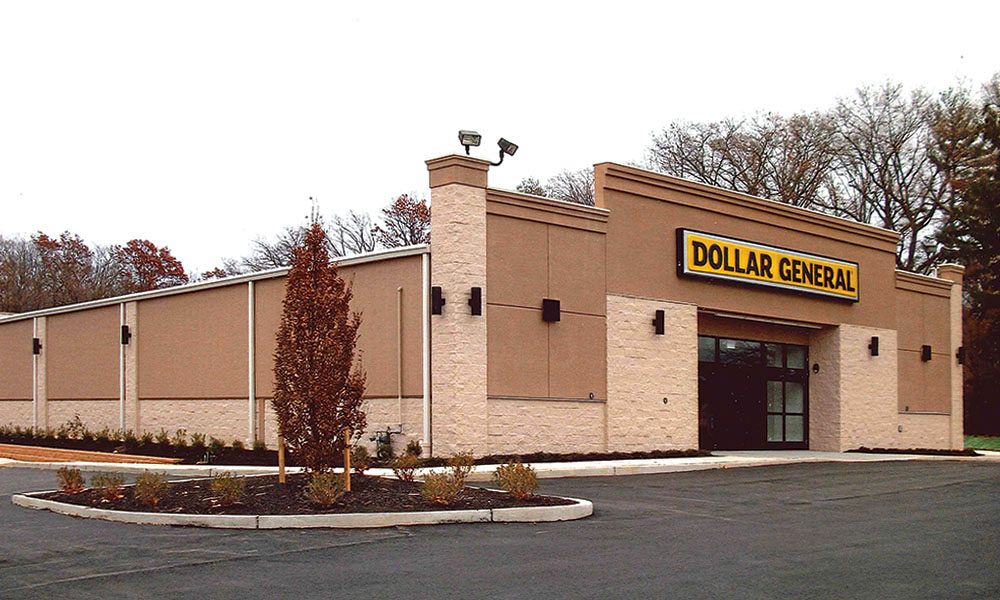
- Dollar General — Most available. 19,000+ locations, 700+ new openings per year. You can almost always find qualifying Dollar General inventory within any 45-day window.
- 7-Eleven — Similar availability profile. Large national footprint with consistent deal flow.
- Walgreens / CVS — Strong availability, especially in secondary markets where pharmacy consolidation is creating sale-leaseback supply.
- Taco Bell / McDonald's — Good availability but more price competition. Premium brands attract more buyers simultaneously.
- Chick-fil-A / Starbucks — Excellent tenant quality but lower availability. Fewer deals per year, more competition per deal. Harder to close in a tight 45-day window without pre-market access.
The Identification Letter: What to Include
Your identification must be in writing, signed, and delivered to your QI or the seller (not to yourself or your broker) before midnight on Day 45. The property must be unambiguously described — typically by legal address or APN. A signed purchase contract on or before Day 45 also satisfies identification requirements.
Common identification mistakes that disqualify exchanges: identifying by street address without specifying unit or parcel when multiple exist, failing to sign and date before the midnight deadline, sending to your broker instead of your QI or seller, and identifying more than three properties under the Three-Property Rule.
Start Now — Even If Your Sale Isn't Scheduled Yet
The investors who execute the cleanest 1031 exchanges into NNN aren't the ones who move fastest after closing. They're the ones who started the process earliest. If you're planning a sale — even 6 months out — reach out now. We can build your investment brief, pull current off-market inventory, and have candidates ready before your sale closes.
Ready to Invest?
Discuss your property criteria, compare NNN lease economics, and plan your search with The ESS Group as your buyer's broker.