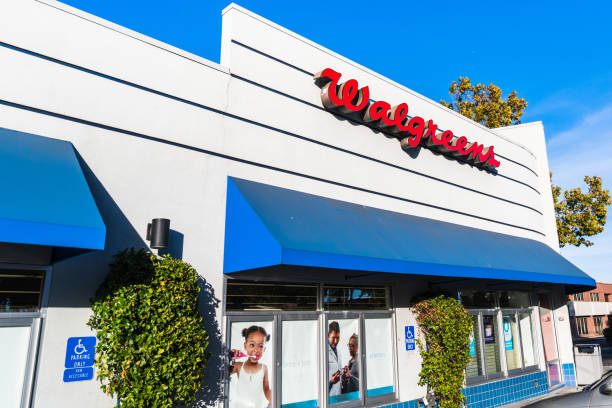
Walgreens NNN Properties for Sale
Healthcare necessity retail. 25-year absolute NNN leases on prime corners. Walgreens delivers long-term passive income backed by America's second-largest pharmacy chain.
5.0%–7.0%
Cap Rate Range
$4M–$10M+
Typical Price
25 years
Lease Term
8,700+
Locations
BBB− (S&P)
Credit Rating
$148B+
Annual Revenue
Why Invest in Walgreens NNN Properties?
The investment thesis behind Walgreens as a single-tenant NNN asset.
25-Year Absolute NNN Leases — Longest in the Market
Walgreens historically signed 25-year absolute NNN leases — the longest standard initial term of any major NNN tenant. An investor who buys a Walgreens with 20+ years remaining gets a full generation of corporate-guaranteed passive income before any renewal decision.
Healthcare Necessity — Recession-Proof Category
Walgreens fills prescriptions, sells healthcare products, and provides clinical services. These are necessity purchases unaffected by economic cycles. Prescription volume is driven by an aging US population — a secular tailwind that will grow Walgreens' core business for decades.
Prime Corner Real Estate
Walgreens' site selection targets high-traffic corner locations at major intersections — the most valuable commercial real estate positions in any market. The underlying land and location characteristics make Walgreens a sound real estate investment independent of the lease.
Above-Average Yields vs. Other Pharmacy
Walgreens NNN properties offer higher cap rates (5.0%–7.0%) than CVS equivalents, reflecting current concerns about Walgreens' store rationalization program. For investors who have reviewed the specific lease term and location quality, this creates attractive yield opportunities with the same healthcare necessity thesis.
Walgreens NNN — Strengths & Considerations
An honest investor's view of what makes Walgreens work — and what to watch for.
Investor Strengths
- 25-year initial lease terms — longest standard NNN in the market
- Healthcare/pharmacy necessity business — recession-proof
- Prime corner locations with strong underlying real estate
- Above-average cap rates (5.0%–7.0%) for pharmacy credit
- Absolute NNN — zero landlord maintenance obligations
- 10% rent bumps every 5 years on most leases
- America's second-largest pharmacy chain with 8,700+ locations
Considerations
- BBB− credit — lowest investment-grade tier
- WBA has announced and executed store closures (due diligence required)
- Competition from Amazon Pharmacy and mail-order threatens script volume
- Higher price point ($4M–$10M+) limits 1031 pool
- Lease review is critical — some leases have co-tenancy or recapture provisions
Walgreens as a 1031 Exchange Replacement Property
Walgreens is a strong 1031 exchange target for investors with $3M+ in exchange equity who prioritize very long lease terms (20–25 years remaining) and healthcare necessity income. The key is due diligence on the specific location — strong stores are excellent 1031 holds; The ESS Group only presents Walgreens locations with strong sales history and long remaining terms.
Learn More About 1031 Exchange into NNNWalgreens NNN — Common Investor Questions
What cap rates are available on Walgreens NNN properties?
Walgreens NNN cap rates range from 5.0% to 7.0% nationally. New or recently renovated locations in primary markets with 20+ years remaining trade at 5.0%–5.75%. Older locations or those with shorter remaining lease terms offer 6.0%–7.0%, reflecting the additional rollover risk at a shorter remaining term.
Should I be concerned about Walgreens store closures?
Walgreens Boots Alliance has announced a significant store rationalization program, targeting closure of underperforming locations. This makes location-level due diligence critical. The ESS Group only presents Walgreens NNN properties with strong sales history, long remaining lease term (15+ years), and locations where closure risk is low based on market position and store performance data.
Is a Walgreens NNN a good long-term hold?
For the right location with strong remaining lease term, yes. A Walgreens with 20+ years remaining on a prime corner in a growing market is an excellent long-term passive income hold. The 25-year structure means some existing Walgreens still have 10–20 years remaining, offering years of truly passive income.
How does Walgreens compare to CVS as a NNN investment?
Both are healthcare necessity pharmacy chains with similar NNN lease structures. Walgreens currently trades at slightly higher cap rates than CVS, reflecting perceived higher credit risk from the store closure program. CVS has stronger near-term corporate health but often commands a premium (lower cap rate). The choice depends on your specific yield target and hold duration.
See Current Walgreens
NNN Inventory
Tell us your investment criteria — budget, cap rate target, and 1031 timeline — and we'll share current off-market Walgreens NNN deals that match.
Why Walgreens Works for Your 1031 Exchange
Walgreens is a strong 1031 exchange target for investors with $3M+ in exchange equity who prioritize very long lease terms (20–25 years remaining) and healthcare necessity income. The key is due diligence on the specific location — strong stores are excellent 1031 holds; The ESS Group only presents Walgreens locations with strong sales history and long remaining terms.
Compare Other Investment-Grade NNN Tenants