The Two Deadlines That Define a 1031 Exchange
A 1031 exchange — named after Section 1031 of the Internal Revenue Code — allows real estate investors to defer capital gains taxes when selling one investment property and reinvesting the proceeds into another "like-kind" property. It is one of the most powerful wealth-building tools in the tax code.
But the IRS has set two ironclad deadlines that determine whether your exchange succeeds or fails:
- The 45-Day Identification Rule
- The 180-Day Closing Rule
Both start counting from the date you close on the sale of your relinquished property. Miss either deadline — even by one day — and the entire exchange fails. You'll owe capital gains taxes on the full amount as if the exchange never happened.
The 45-Day Identification Rule
Within 45 days of closing on your sold property, you must formally identify potential replacement properties in writing. This identification must be submitted to your Qualified Intermediary (QI) — the party holding your exchange funds — and cannot be changed after the deadline.
Identification Rules and Property Limits
The IRS provides three identification rules, and you must comply with at least one:
The 3-Property Rule (Most Common)
You can identify up to 3 properties of any value. This is the rule most investors use. You have flexibility on price — you could identify a $1M property, a $3M property, and a $5M property.
The 200% Rule
You can identify any number of properties as long as their combined fair market value doesn't exceed 200% of your relinquished property's sale price. So if you sold for $2M, you can identify multiple properties totaling up to $4M.
The 95% Rule
You can identify any number of properties of any value, but you must actually acquire 95% of the total identified value. This rule is rarely used because it's extremely difficult to comply with.
Why 45 Days Is the Most Critical Deadline
Most 1031 exchange failures happen at the 45-day deadline. Investors close their sale without a replacement property lined up, spend the first 3–4 weeks in a panic, then scramble in the final 2 weeks to identify anything available. This is exactly the wrong approach.
Experienced NNN investors — and advisors like The ESS Group — always begin identifying replacement properties before the relinquished property closes. Ideally, you should have 2–3 NNN properties shortlisted and under preliminary LOI before Day 1 begins.
The 180-Day Closing Rule
Within 180 days of closing on your relinquished property (or your tax filing deadline if earlier), you must close on your replacement property. You can only close on properties you specifically identified during the 45-day window — no adding new properties after Day 45.
Note the "or your tax filing deadline if earlier" caveat. If you sell in October and your exchange runs into the following year, your 180-day window might end before your April tax deadline. Always consult with a CPA on this timing.
The Qualified Intermediary (QI) Requirement
You cannot touch the exchange funds at any point. The proceeds from your sale must go directly to a Qualified Intermediary — a specialized, licensed company that holds your money during the exchange. If the funds ever land in your personal account, even momentarily, the exchange fails immediately and you owe all taxes.
Choose your QI carefully. They should be bonded, carry fidelity insurance, and have an established track record. The ESS Group works with several highly reputable QIs and can provide referrals.
How to Avoid Failing Your 1031 Exchange
- Start early: Identify replacement properties before your relinquished property closes
- Identify three properties: Even if you want one specific property, identify three to preserve flexibility
- Work with NNN specialists: NNN properties are ideal 1031 replacements because they close quickly and have predictable due diligence timelines
- Never miss a deadline: The IRS provides zero extensions under normal circumstances
- Use a reputable QI: Your exchange funds must be secure and properly managed
NNN Properties: The Perfect 1031 Exchange Destination
Single-tenant NNN properties have become the dominant destination for 1031 exchange investors for very specific reasons. They close quickly (typically 30–45 days), have clean title histories, don't require environmental remediation, and are passively managed — making them ideal for investors upgrading from high-maintenance properties.
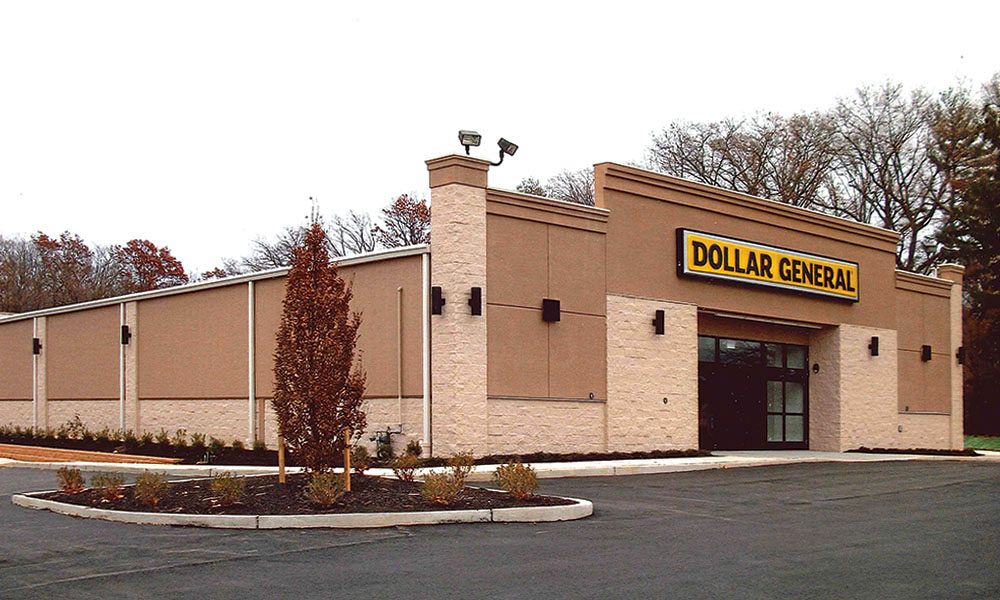
A property like a Walgreens, McDonald's, or Dollar General represents a simple, clean transaction with a creditworthy tenant locked into a long lease. This is the opposite of the complex multi-family or commercial deals that can blow up at the 11th hour and jeopardize your exchange timeline.
The ESS Group has helped over 340 investors successfully complete 1031 exchanges into NNN properties. Contact us the moment you decide to sell — the earlier we start, the better your property selection.
Ready to Invest?
Our advisors specialize in sourcing premium off-market NNN properties for high-net-worth investors and 1031 exchanges. Contact The ESS Group to see available inventory.