The 45-Day Problem — and How to Solve It
When you close on your relinquished property and the 1031 exchange clock starts, you have exactly 45 calendar days to identify your replacement property or properties. No extensions. No exceptions for holidays, market conditions, or lack of inventory.
For investors targeting triple net (NNN) lease properties as replacement assets, this 45-day window is the single most stressful part of the transaction — and the part most likely to go wrong when working with the wrong team.
This guide explains exactly how experienced 1031 exchange investors find quality NNN replacement properties before the deadline, including deal sources that most investors never hear about.
Why NNN Properties Are Ideal 1031 Replacement Assets
Before the how, it's worth understanding why triple net properties dominate 1031 exchange acquisitions for accredited investors:
- Passive income, no management: The tenant pays taxes, insurance, and maintenance. The landlord collects rent. For investors selling active rental property, this shift is transformative.
- Long lease terms: Corporate NNN leases typically run 10–25 years with rent escalations. Predictable cash flow for the full 1031 exchange hold period.
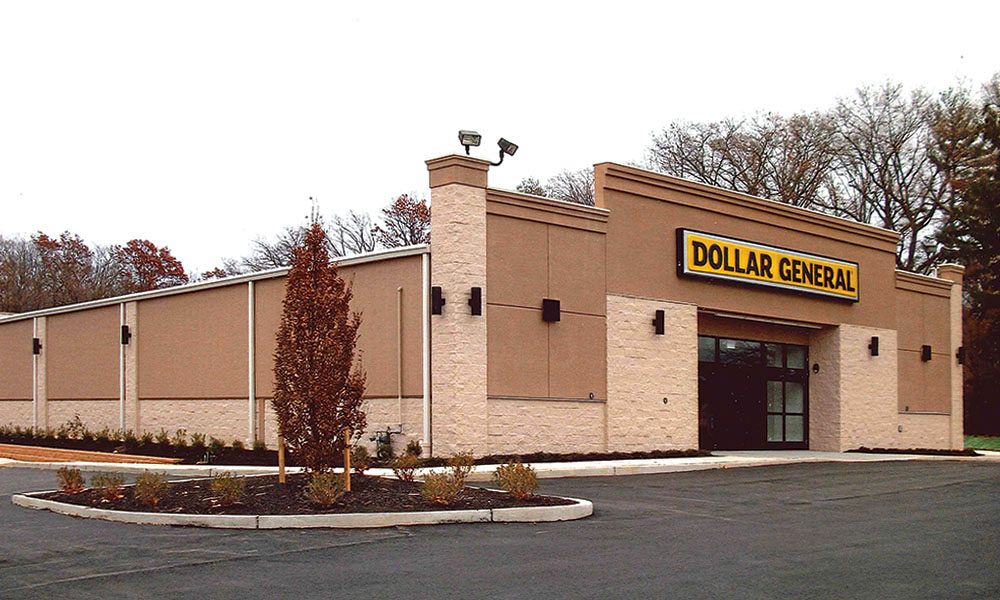
- Investment-grade tenants: Dollar General (BBB/S&P), McDonald's (BBB+), Starbucks (BBB+), CVS (BBB), AutoZone (BBB) — tenants whose credit is publicly rated and whose leases carry real value.
- Nationwide availability: Unlike apartment buildings or office properties, NNN properties exist in every state — giving exchange buyers geographic flexibility to find better cap rates outside expensive coastal markets.
- Clean 1031 qualification: Fee-simple ownership of a NNN property is straightforward to structure as a valid 1031 replacement property, with no tenancy-in-common complexity unless you choose it.
The Four Sources for NNN Replacement Properties
1. Public Listing Platforms (LoopNet, CoStar)
The most obvious source — and the most problematic for 1031 exchange buyers.
By the time a NNN property appears on LoopNet or CoStar, it has typically been marketed for weeks or months. Institutional buyers, private equity firms, and DST sponsors have already underwritten the deal. Prices reflect maximum competition.
For a 1031 exchange buyer who needs to move fast and get good pricing, relying on public platforms alone is a losing strategy. You'll often find overpriced deals with compressed cap rates and lease issues that weren't disclosed upfront.
Use public platforms for: Market orientation, cap rate benchmarking, getting a feel for what's available. Not as your primary source.
2. Off-Market Broker Networks
The best NNN deals are shared between brokers before they're publicly listed — or never listed at all. A specialized NNN broker with strong institutional relationships will have visibility into deals that their network surfaces directly.
This is where working with a dedicated NNN broker (vs. a generalist commercial broker) makes the largest dollar difference. A broker focused exclusively on NNN deals has cultivated these relationships over years. A generalist does not.
What to ask your broker: "What off-market NNN inventory do you have right now?" If they pause or redirect you to a website, they don't have off-market access.
3. Sale-Leaseback Transactions
A sale-leaseback is when a business owner sells their real estate to an investor and simultaneously signs a long-term NNN lease to continue occupying the property. The business gets cash; the investor gets a new NNN lease.
Sale-leasebacks are sourced directly — not through listing platforms. They offer some of the best pricing in the NNN market because there's no competitive bidding process. The transaction is negotiated directly between the seller/tenant and the buyer/landlord.
Finding sale-leaseback opportunities requires either a broker with direct corporate relationships or a large enough network to surface these off-market deals.
4. Developer Pipeline / Build-to-Suit
NNN developers who build properties for corporate tenants (McDonald's, Dollar General, Starbucks) sometimes sell completed buildings directly to investors before or after certificate of occupancy. These new-construction NNN properties offer full lease terms from day one — 15–20 years on a brand-new building.
Developer pipeline deals require advance relationships. They're not found on listing platforms.
How to Search for NNN Replacement Properties in 45 Days
Here's the practical timeline for finding replacement triple net properties within the 1031 identification window:
Before Your Relinquished Property Closes
The most common mistake 1031 exchange investors make is waiting until after they close to start looking for replacement properties. By then, you've lost weeks of search time out of your 45-day window.
The right approach: engage a specialized NNN broker 60–90 days before you expect to close on the relinquished property. Share your criteria (budget, target tenants, cap rate floor, state preferences) and let the broker begin sourcing deals in advance.
When your exchange clock starts, you should already have properties under review — not starting from scratch.
Days 1–15: Off-Market First
Immediately upon exchange start, work with your NNN broker to review current off-market inventory. These deals move faster and offer better value than public listings. If your broker has prepared properly, you'll have 3–5 properties to evaluate within the first week.
Days 15–30: Due Diligence Parallel Processing
Once you've identified 1–3 serious candidates, begin due diligence immediately. For NNN properties, the key due diligence items are: lease review (rent escalations, co-tenancy, landlord obligations), tenant credit analysis, environmental report, survey, and title commitment.
A specialized NNN broker can coordinate all of this simultaneously — not sequentially — which is critical for 1031 timelines.
Days 30–45: Identification and LOI
Identification letters must be submitted to your qualified intermediary by day 45. You can identify up to three properties (or more under the 200% rule). Identifying multiple properties protects you if one deal falls through.
Your broker should help you select the right properties to identify — balancing deal quality against the risk that a single identified deal collapses after identification.
What to Look for in NNN Replacement Properties
Lease Remaining Term
The remaining lease term is the single most important factor in NNN valuation. A Dollar General with 14 years remaining is worth significantly more than the same building with 4 years remaining. Target 10+ years of remaining primary term on replacement properties unless you're an experienced NNN investor comfortable with lease-up risk.
Tenant Credit
Corporate guarantee vs. franchisee guarantee is not the same thing. A McDonald's corporate lease (McDonald's Corporation) is investment-grade. A McDonald's franchisee lease (a private entity) is not publicly rated. Confirm who signs the lease before you proceed.
Rent vs. Market Rent
In-place rent should be at or below market rent for the trade area. NNN properties where the tenant is paying above-market rent carry renewal risk — tenants who are over-rented sometimes don't renew. Your broker should be able to confirm rent reasonableness before you commit.
Location Quality
Even for absolute NNN tenants (zero landlord responsibility), location matters for eventual resale. A Dollar General on a hard corner of a growing trade area will sell better in year 15 than one in a declining market. Don't let passive income make you ignore location fundamentals.
The Role of a Specialized NNN Broker in 1031 Exchanges
A specialized NNN broker who focuses on 1031 exchange buyers provides three things that generalist brokers cannot:
- Pre-positioned inventory: They know what's coming to market before it lists, and they can show you deals while you're still under contract on your relinquished property.
- Compressed due diligence: They know exactly what to look for in a NNN lease, which vendors to use for environmental and survey, and how to run parallel processes to meet deadlines.
- QI coordination: They understand 1031 exchange mechanics and will coordinate with your qualified intermediary throughout — including identification letter preparation and close timing.
The ESS Group supports NNN replacement-property searches and acquisition coordination as your broker. Contact us before your relinquished closing to discuss sourcing, timing, and coordination with your QI and independent advisers.
Ready to Invest?
Our advisors specialize in sourcing premium off-market NNN properties for high-net-worth investors and 1031 exchanges. Contact The ESS Group to see available inventory.