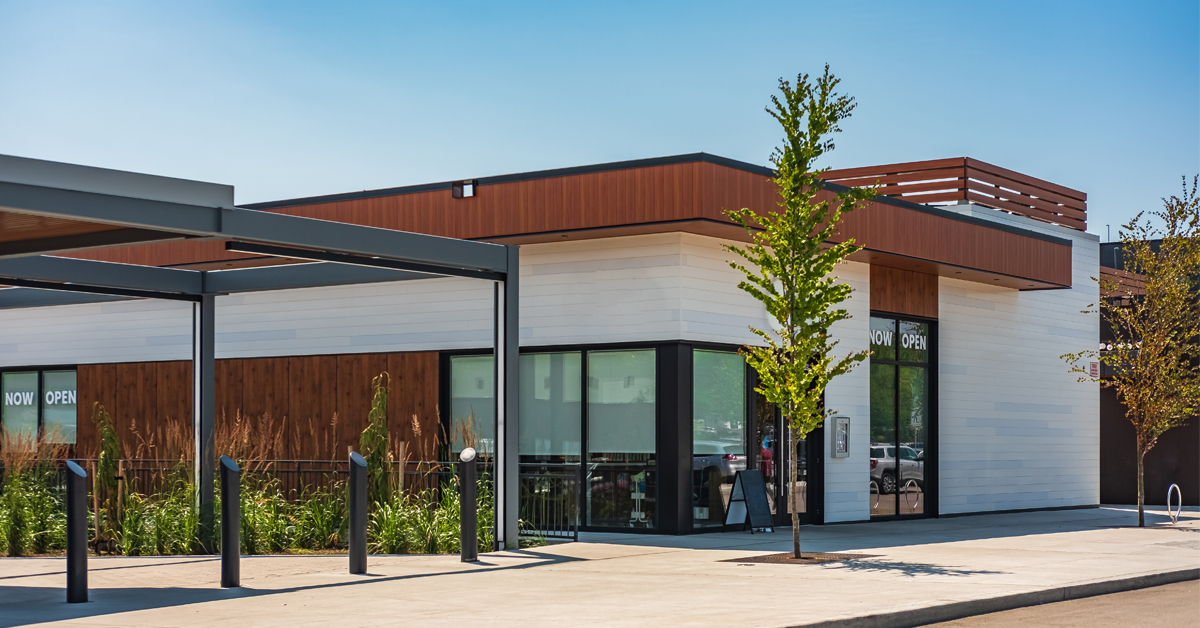
What Is a Single-Tenant Net Lease (STNL) Property?
A single-tenant net lease (STNL or NNN) property is a commercial building occupied by exactly one tenant under a net lease agreement, where the tenant bears primary responsibility for operating expenses. In practice, this means one corporate tenant — McDonald's, Starbucks, Dollar General — occupies the entire property, pays all taxes and insurance, and handles all maintenance, while sending the landlord a guaranteed monthly check.
The STNL investment category is the closest thing to truly passive income in commercial real estate. Depending on the lease structure, a landlord's only annual obligation may be reviewing a rent check for accuracy and filing a tax return.
Why Investors Choose Single-Tenant Net Lease Over Other Asset Classes
The appeal of STNL investing is easy to understand when compared to the alternatives:
- vs. Multifamily apartments: Apartments require active management — tenant turnover, maintenance, vacancy risk, and late rent. STNL means one creditworthy corporate tenant, often for 20+ years, with scheduled rent increases.
- vs. Office buildings: Office has faced structural headwinds from remote work. STNL retail (QSR, dollar stores, pharmacies) is location-dependent, not work-style dependent.
- vs. REITs: Public REIT shares are correlated with the stock market. A physical STNL property provides real estate ownership — tangible, stable, and outside the equity market's volatility.
- vs. Industrial/warehouse: Industrial offers strong returns but typically shorter lease terms and less credit certainty than major STNL tenants.
The Four Key Metrics for STNL Evaluation
1. Cap Rate
Capitalization rate (cap rate) = Net Operating Income ÷ Property Value. STNL cap rates range from 4.25% (McDonald's ground lease) to 7.5%+ (secondary-market Family Dollar). Cap rate reflects risk — lower means higher credit, longer term, stronger market.
2. Remaining Lease Term
Every year of remaining lease term is value. A McDonald's with 20 years remaining vs. 5 years represents dramatically different investment profiles. Always evaluate weighted average lease term (WALT) and the likelihood of tenant renewal.
3. Tenant Credit Quality
Investment-grade credit (BBB-/Baa3 or above) means S&P and Moody's have analyzed the tenant and declared them creditworthy. McDonald's (Baa1/BBB+), Dollar General (Baa2/BBB), Starbucks (Baa1/BBB+) are all investment-grade. This matters because investment-grade tenants are statistically far less likely to default than sub-investment-grade alternatives.
4. Lease Structure (Net vs. Gross vs. Absolute)
What does "net lease" actually require the tenant to pay? Always read the specific lease provisions regarding roof, structure, casualty, and force majeure. An absolute NNN lease is worth more than a double net (NN) lease on the same property — the landlord bears zero risk in the absolute NNN scenario.
The Most Important STNL Tenants by Category
Quick-Service Restaurants (QSR): McDonald's, Starbucks, Taco Bell, Chick-fil-A, Burger King, Wendy's, Popeyes, 7-Brew Coffee. High traffic, recession-resilient, drive-thru focused.
Dollar Stores: Dollar General, Family Dollar, Dollar Tree. Recession-proof essential retail, highest transaction volume in the STNL sector.
Pharmacies: CVS, Walgreens, Rite Aid. Long-established healthcare essentials, absolute NNN structures, very long lease terms.
Auto Parts: AutoZone, O'Reilly Auto Parts, Advance Auto Parts. Counter-cyclical (people repair older cars in downturns), corporate-guaranteed.
Essential Retail: Tractor Supply, Home Depot, Lowe's, Walmart (ground leases). Large footprint, investment-grade credit, recession-resistant categories.
How to Buy a STNL Property
Most STNL transactions flow through either a specialized net lease brokerage (like The ESS Group) or a commercial listing platform. Off-market transactions — particularly new construction properties from developers — often offer the best cap rates and freshest lease terms.
The transaction timeline for STNL is typically 30–60 days from offer acceptance to close — faster than most commercial transactions, which makes NNN ideal for 1031 exchange buyers with pressing timelines.
The ESS Group's Approach to Single-Tenant Net Lease
Since 2008, The ESS Group has specialized exclusively in STNL/NNN properties. With 450+ transactions and $900M+ in volume, we've seen virtually every lease structure, tenant category, and market condition in the net lease space. Our unique advantage: we developed over 100 NNN properties ourselves, giving our clients access to off-market opportunities and development-stage relationships with major national tenants that pure brokerage firms simply don't have.
Contact The ESS Group to explore available STNL investments — including off-market new construction that never reaches public listing platforms.
Ready to Invest?
Our advisors specialize in sourcing premium off-market NNN properties for high-net-worth investors and 1031 exchanges. Contact The ESS Group to see available inventory.