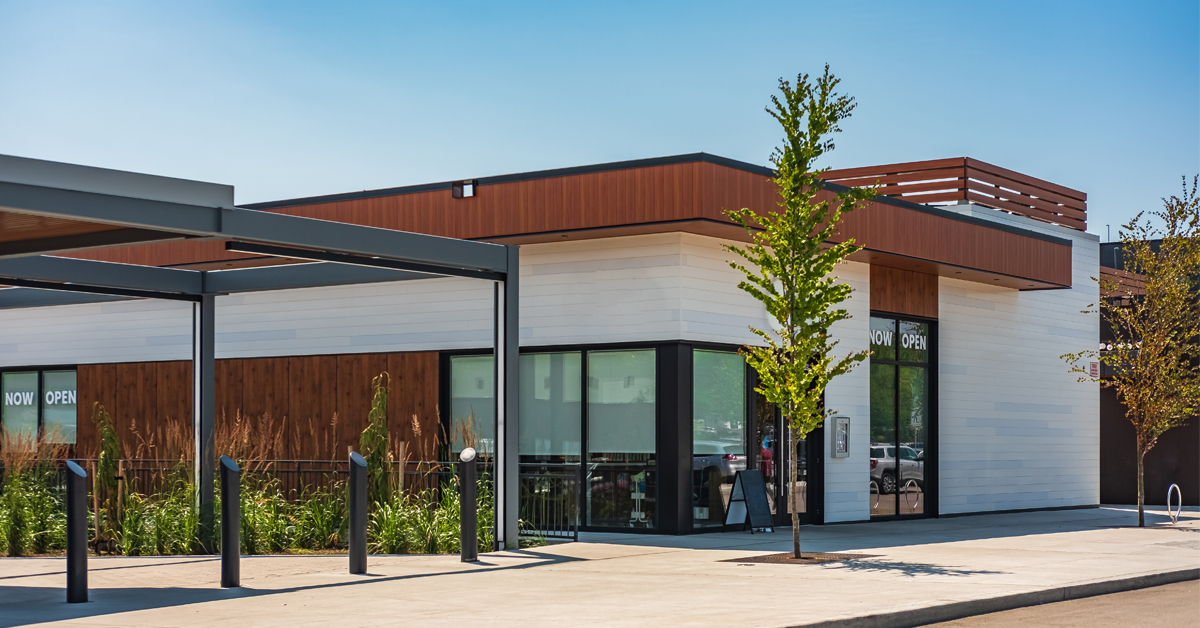
What Are NNN Properties for Sale?
NNN properties for sale are single-tenant commercial real estate assets where the tenant — not the landlord — pays all property taxes, building insurance, and maintenance. The "triple net" refers to these three operating expenses being "netted" to the tenant. When an NNN property comes up for sale, an investor buys the building and land and steps into the landlord role: collecting a corporate-guaranteed monthly check with zero management obligations for the duration of the lease.
In 2026, NNN properties for sale remain the most sought-after asset class for passive real estate investors, retirees, and 1031 exchange buyers. The combination of predictable income, long lease terms (10–25 years), investment-grade credit tenants, and zero landlord obligations is nearly impossible to replicate in any other real estate category.
Browse current NNN properties for sale through The ESS Group →
NNN Properties for Sale: Cap Rates by Tenant in 2026
Cap rates for NNN properties for sale have shifted materially since 2021–2022. The era of 3.5%–4.0% cap rates for QSR and pharmacy NNN is over. Here's where the market stands in mid-2026:
- Dollar General NNN for sale: 5.50%–7.00% depending on location and lease term. Rural locations trade at the high end; suburban infill Dollar Generals with 10+ years remaining are closer to 5.5%–6.0%.
- McDonald's NNN for sale: 4.25%–5.25%. Corporate-guaranteed McDonald's with 15+ years remaining in primary markets are the most aggressively priced NNN assets.
- Starbucks NNN for sale: 4.50%–5.75%. Drive-through Starbucks trade tighter than café-only formats due to significantly higher sales volumes.
- Chick-fil-A NNN for sale: 4.00%–5.00%. Chick-fil-A is one of the tightest-pricing NNN tenants in the market due to extremely limited availability and corporate guarantee on all locations.
- CVS NNN for sale: 5.00%–6.75%. CVS cap rates have widened due to store closure concerns in some markets — location selection is critical.
- Walgreens NNN for sale: 5.25%–7.00%. Similar to CVS — location and lease term drive wide cap rate variance.
- 7-Eleven NNN for sale: 4.75%–6.00%. Corporate-guaranteed 7-Eleven (not franchise) trade at the tight end; franchise locations are wider.
- AutoZone NNN for sale: 5.00%–6.25%. Strong performer — auto parts is a recession-resilient category.
- Taco Bell NNN for sale: 5.00%–6.50%. Corporate vs. franchisee guarantee matters significantly on Taco Bell pricing.
For 1031 exchange buyers, the wider cap rate environment in 2026 means better deals than were available in 2020–2022 — more income per dollar invested, more optionality, and stronger long-term hold economics.
Where to Find NNN Properties for Sale
There are two channels for finding NNN properties for sale, and the difference in deal quality between them is dramatic.
Public Listing Platforms (LoopNet, CoStar, Crexi)
Public listing platforms carry a large volume of NNN properties for sale, but with a significant catch: every deal listed publicly has already been offered to institutional buyers, 1031 exchange syndicators, and high-volume repeat buyers. What's left on LoopNet is what didn't move through those channels first — usually because the price is too high, the cap rate is too thin, or there's a lease issue sophisticated buyers identified and passed on.
Public platforms work for buyers who need to move quickly on a known tenant type and don't have access to broker networks. But you'll typically pay a 25–75 basis point premium on cap rate vs. off-market deals, and you'll be competing with multiple other buyers.
Off-Market NNN Properties for Sale
The best NNN properties for sale — the ones at market cap rates, with clean leases, in strong locations — are sold before they ever hit a public listing. They move through NNN advisory firms with active developer relationships, direct seller outreach programs, and sale-leaseback conversations with corporate tenants looking to monetize owned real estate.
The ESS Group maintains active off-market NNN inventory for accredited investors and 1031 exchange buyers. When a developer completes a new Dollar General or a QSR operator wants to sell and lease back their portfolio, those deals come to firms with established buyer relationships — not to LoopNet first.
NNN Properties for Sale for 1031 Exchange Buyers
NNN properties are the most common 1031 exchange replacement asset class in the United States, and for good reason. When an investor sells an apartment building, industrial property, or commercial building and needs to replace it within 180 days, NNN checks every box:
- No management transition: You go from managing tenants to cashing a check. The lease handles everything else.
- Definable income: The rent is fixed and escalating — easy to model for retirement income planning.
- Speed: NNN properties can close in 30–45 days, well within the 180-day exchange window.
- Flexibility: You can buy one NNN property for your full exchange value, or identify multiple properties and close on one or more depending on final exchange calculations.
The challenge for 1031 exchange buyers is the 45-day identification window. You must identify replacement properties within 45 days of your relinquished property closing — and in a competitive NNN market, scrambling to find viable properties during those 45 days often results in overpaying or settling for a substandard deal.
The ESS Group solves this by maintaining active NNN inventory specifically for exchange buyers. If you know an exchange is coming in the next 6–12 months, contact us before your relinquished property closes — not after. We'll have replacement properties identified and ready when your 45-day clock starts.
Learn more about 1031 exchange into NNN properties →
What to Look for When Evaluating NNN Properties for Sale
Not all NNN properties for sale are equal. Here's what separates a solid NNN investment from a problem waiting to happen:
1. Corporate Guarantee vs. Franchisee Guarantee
The most critical distinction in evaluating NNN properties for sale is who is guaranteeing the rent. A corporate-guaranteed NNN lease means the parent corporation (McDonald's Corp., Dollar General Corp., Starbucks Corp.) is on the hook if rent isn't paid. A franchisee-guaranteed lease means a small business operator — who may have 1, 5, or 50 locations — is the guarantor.
Franchisee NNN properties for sale are not inherently bad investments, but they carry materially more credit risk and should trade at 75–150 basis point higher cap rates than corporate equivalents. Many are sold without clear disclosure of the guarantee structure — always verify.
2. Absolute NNN vs. Modified NNN
The marketing phrase "NNN" or "triple net" is used loosely. An absolute NNN lease means the tenant is responsible for everything — roof, structure, HVAC, parking lot, all capital expenditures. A modified NNN lease may exclude roof and structure, HVAC replacement, or other major capital items from the tenant's obligations.
When reviewing NNN properties for sale, read the actual lease, not the marketing summary. Hidden landlord obligations in a "NNN" lease can transform a supposedly passive investment into an active management obligation at the worst possible time — when a major capital item fails near lease expiration.
3. Remaining Lease Term
NNN properties for sale with less than 5 years of remaining lease term carry significant rollover risk. At lease expiration, the tenant may not renew, and a vacant NNN building in a secondary market can be extremely difficult to release or sell. Most sophisticated buyers require 10+ years of remaining term for new acquisitions. New construction NNN properties typically offer 15–25 year initial terms — the strongest position for passive income.
4. Rent Escalations
Inflation protection in an NNN lease comes from rent escalations — periodic increases built into the base rent schedule. The strongest NNN leases include 10% increases every 5 years or CPI-linked escalations. Flat leases with no escalations erode your purchasing power over a 20-year term. Always verify the escalation schedule before buying.
5. Location Quality
Even an investment-grade corporate NNN tenant can underperform in a bad location. Traffic counts, population density, co-tenancy, and drive-through access all affect the long-term viability of the tenant's operation — and therefore the risk of non-renewal at lease expiration. A Dollar General in a declining rural market with 5 years left is a very different investment from one in a suburban infill location with 12 years remaining.
NNN Properties for Sale by State: Where to Buy in 2026
Deal volume and cap rate levels for NNN properties for sale vary significantly by state. The most active NNN markets in 2026:
- Texas NNN properties for sale: Dallas, Houston, Austin, and San Antonio are all high-volume NNN markets with strong tenant expansion. No state income tax makes Texas attractive for investors in high-tax states.
- Florida NNN properties for sale: Tampa, Orlando, Miami, and Jacksonville are among the top NNN markets nationally. Population growth and tourist traffic drive high QSR sales volumes.
- Georgia NNN properties for sale: Atlanta is one of the most active NNN markets in the Southeast. Strong corporate expansion, logistics growth, and population inflows support tenant performance.
- Tennessee NNN property searches: Compare Nashville and other Tennessee markets by tenant demand, lease economics, pricing, and property risks. Residency and other state rules still affect tax treatment.
- Nevada NNN properties for sale: Las Vegas is a high-velocity QSR and convenience store market with no state income tax. Frequently targeted by California investors executing 1031 exchanges.
How to Buy NNN Properties for Sale: Step by Step
- Define your criteria: Budget, target tenants (or tenant categories), cap rate floor, state preferences, 1031 exchange timeline if applicable.
- Engage an NNN buyer's advisor: An advisor who represents only buyers — not sellers — with off-market access will show you deals that aren't available on public platforms. See how NNN buyer representation works →
- Review the lease before submitting an offer: The lease is the investment. A detailed lease review before you're under contract will reveal any landlord obligations, co-tenancy clauses, termination rights, or rent structure issues that affect value.
- Conduct full due diligence: Title search, Phase I environmental, lender appraisal, lease estoppel, and rent roll verification.
- Close and collect rent: Most NNN properties close in 30–45 days. On day one, you're collecting a corporate check. No property manager needed.
The Bottom Line: NNN Properties for Sale in 2026
The NNN market in 2026 offers the best entry point since 2012. Cap rates are materially higher than the 2020–2022 trough, deal flow is strong across all major tenant categories, and 1031 exchange activity is driving consistent buyer demand. For accredited investors seeking passive income with corporate-guaranteed rent and no management obligations, NNN remains the clearest path.
The ESS Group sources NNN properties for sale for accredited investors and 1031 exchange buyers across all 50 states. We represent buyers only — never sellers — and maintain off-market inventory that isn't available on public listing platforms.
View current NNN properties for sale through The ESS Group →
Ready to Invest?
Discuss your property criteria, compare NNN lease economics, and plan your search with The ESS Group as your buyer's broker.