The Generational Wealth Playbook
Long-term NNN ownership involves income, tenant, lease, liquidity, and transfer risks. Tax and estate treatment depend on the actual assets and ownership structure. Evaluate investment economics as well as succession questions with the appropriate independent advisers.
The Four Pillars of NNN Wealth Building
Pillar 1: Tax-Deferred Accumulation (1031 Exchange Chains)
A qualifying 1031 exchange may defer eligible gains, but each transaction must independently meet the requirements. Boot, financing, ownership, deadlines, and state rules can affect treatment. Deferral is not elimination, and future appreciation is not assured.
Ask your QI and tax advisers to track replacement basis and continuing reporting obligations across exchanges rather than assuming a tax-free chain.
Pillar 2: Review Depreciation Basis and Limitations
Eligible improvements may be depreciable; land is not. A tax adviser should confirm ownership, basis, allocation, recovery periods, and limitations before modeling deductions.
A cost segregation study may affect deduction timing, but the usable tax effect is individual and later recapture may apply.
Pillar 3: Evaluate Inherited-Property Basis
A basis adjustment may apply to inherited assets under applicable law. Estate inclusion, trusts, ownership, and valuation affect the result; not every transfer qualifies for the same treatment.
Your independent estate counsel and tax advisers should evaluate estate, income, and transfer taxes together. A basis adjustment does not promise a tax-free inheritance or sale.
Pillar 4: Estate Simplification and Passive Management
Apartment buildings, development projects, and active businesses are difficult to manage after the primary owner ages. Disputes among heirs, complex operations, and management demands can tear families apart.
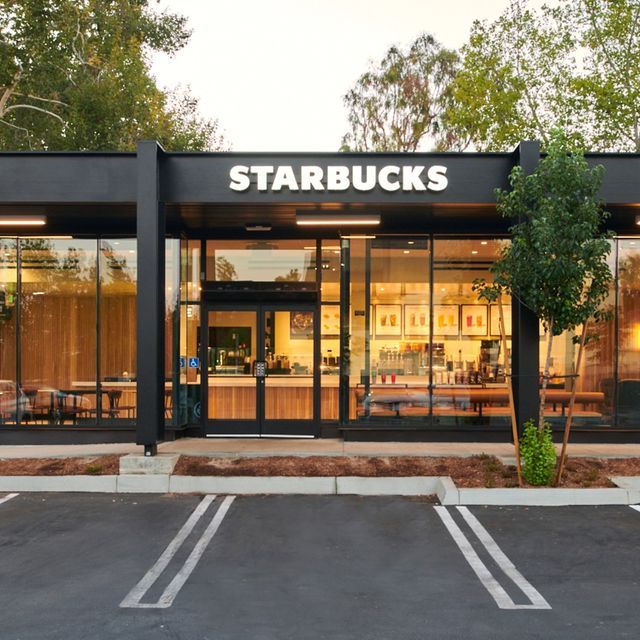
NNN properties are inherently simple estate assets: one tenant, one lease, one monthly check, zero management. A family with three NNN properties can distribute income equally among heirs for decades with virtually no operational complexity or management disputes.
The Dynasty Trust and NNN Combination
The most sophisticated wealth transfer strategy combines NNN properties with a Dynasty Trust — an irrevocable trust structured to hold assets for multiple generations (up to 360 years in some states). NNN properties held inside a dynasty trust can generate income for your grandchildren's grandchildren — with careful structuring to minimize estate taxes at each generational transfer.
Trust ownership can affect tax basis, exchange eligibility, control, and distributions. Suitability requires individual review by independent estate counsel and tax advisers.
A Simple Multi-Generational Model
- Generation 1 (age 55): Completes 1031 exchange, acquires $4M NNN portfolio (McDonald's + CVS)
- During ownership: Monitor tenant performance, lease terms, income, costs, and liquidity needs
- Before transfer: Review ownership, valuation, basis, and estate inclusion with independent advisers
- Next generation: Reassess hold, sale, or exchange options and their actual tax treatment
- Later transfers: Reevaluate current law and the family's circumstances rather than assuming identical results
Contact The ESS Group to discuss property criteria and acquisition brokerage. Coordinate succession and tax planning with your independent professionals.
Ready to Invest?
Our advisors specialize in sourcing premium off-market NNN properties for high-net-worth investors and 1031 exchanges. Contact The ESS Group to see available inventory.